Description Anthurium Crystallinum Anthurium crystallinum is a stunning tropical plant known for its large, velvety leaves and striking vein patterns. Appearance: Anthurium crystallinum features large, heart-shaped leaves with a velvety texture. The leaves are dark green with prominent, white or silvery veins that create a striking contrast. Flowers: The plant produces small, inconspicuous flowers on a spadix, which is typical of the Anthurium genus. However, the foliage is the main attraction. Growing Conditions of Anthurium Crystallinum Light: Prefers bright, indirect light. Direct sunlight can scorch the leaves, while too little light can slow growth. Watering: Keep the soil consistently moist but not waterlogged. Water when the top inch of soil feels dry. Reduce watering in the winter months. Soil: Use a well-draining, airy potting mix, such as an orchid mix or a mix of peat, perlite, and pine bark. Good drainage is essential to prevent root rot. Temperature: Thrives in temperatures between 65-80°F (18-27°C). Protect it from drafts and sudden temperature changes. Humidity: Requires high humidity levels (60-80%) to thrive. Use a humidifier or place the plant on a pebble tray with water to increase humidity. Care Tips: Pruning: Remove any yellow or damaged leaves to maintain the plant’s appearance and health. Fertilizing: Feed with a balanced, water-soluble fertilizer every 4-6 weeks during the growing season (spring and summer). Reduce feeding in the fall and winter. Repotting: Repot every 1-2 years or when the plant becomes root-bound. Choose a slightly larger pot with good drainage. Special Features: Foliage: The large, velvety leaves with striking white veins are the main attraction of this plant, making it a standout in any collection. Air Purification: Like many other Anthuriums, Anthurium crystallinum can help purify the air by removing toxins. Uses: Ornamental: Due to its beautiful foliage, Anthurium crystallinum is a popular ornamental plant for homes, offices, and public buildings. Terrariums and Vivariums: It can be used in high-humidity environments like terrariums and vivariums where its humidity needs can be easily met.


 Anthurium ‘Jenmanni’ – Plant
 Moth Orchid “Phalaenopsis” – plant
 Netted Ficus Plant(2 Layer)
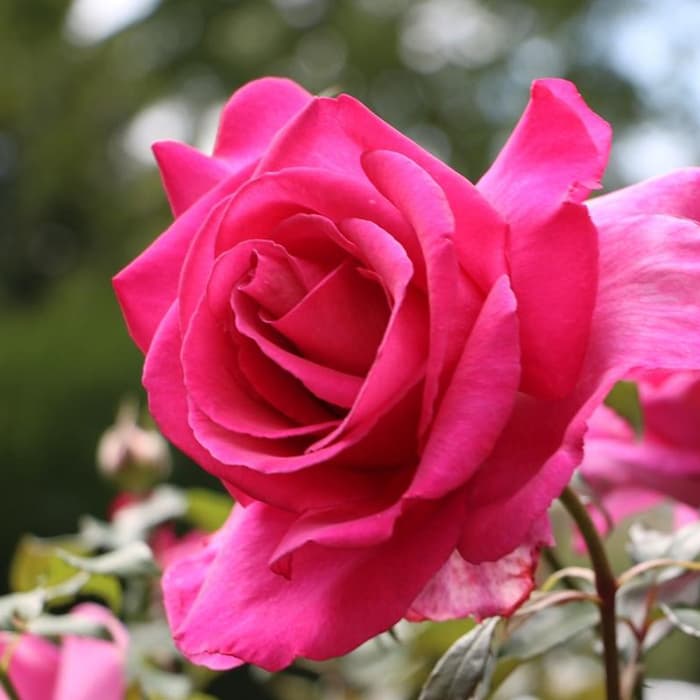 Rose Parole Pink Plant